

🔥 Know what doesn’t scale?
Permanent discounts and promo campaigns.
Yes, they work. Yes, they give you a fast bump in orders. But margin falls away, shoppers get used to the discount and stop buying without one, and the business buries itself in an endless “make it cheaper” race.
Starbucks, Nike, Sephora and other large players have already worked this out: you can’t get far on discounts alone. Their strategy is to engage the user so that they come back to the app on their own — without pushy notifications and permanent sales.
⚡ How do you do that?
Use gamification, personalisation and interactive mechanics that build the habit of opening the app — and of spending more.
🔹 We’ve collected 8 growth mechanics that do this for you.
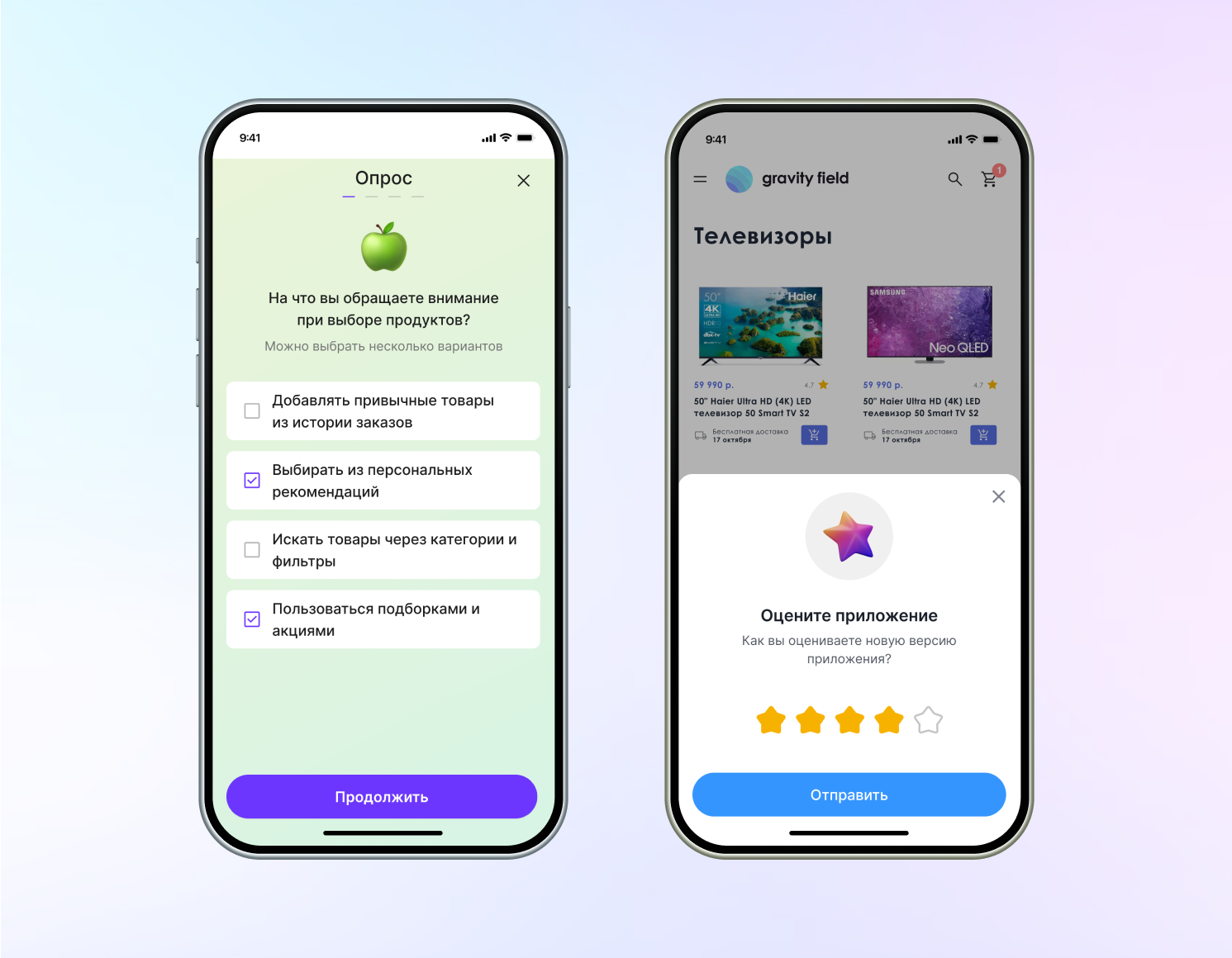
1. Surveys: turning data into money
Know what’s most valuable? Understanding your users. Who are they, what do they like, what are their pain points?
📌 How it works
- Show a short survey at the right moment (after the first order, for example).
- Use the answers to build personal offers automatically.
- Configure personalised content and recommendations.
🔥 How it drives growth
✅ Lifts conversion, because the user gets what they actually need.
✅ Lets you segment the audience and make the right offers.
✅ Improves the experience, because the customer no longer has to search for themselves.
💡 Example
You ask: “Which style of clothing is closer to you?”
🔹 Answer: Classic → send a catalogue of business wear.
🔹 Answer: Sport → show a discount on running shoes.
2. Product finders: shortening the path to purchase
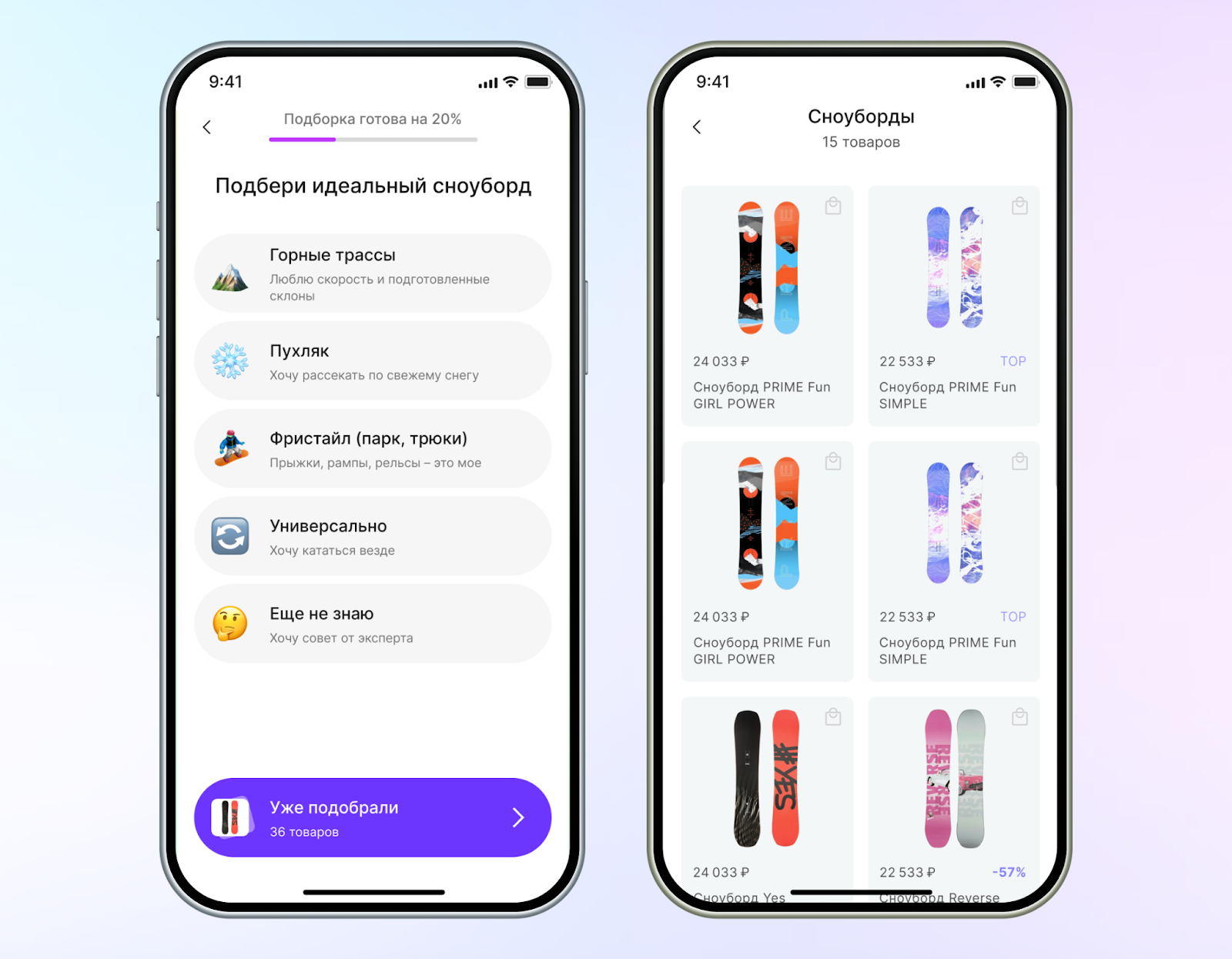
The wider the choice, the harder the decision. The less effort required, the higher the conversion.
📌 How it works
- The user answers 2–3 questions.
- You show personalised products or services.
- You remove the “too many options” effect and raise the odds of a purchase.
🔥 How it drives growth
✅ Increases average order value — it’s easier for the customer to buy several items.
✅ Reduces cart abandonment, because it removes the “I can’t decide” effect.
✅ Saves the user time — less stress, more purchases.
💡 Example
🔹 “Which smartphone do you need?” → pick screen size and camera quality → get the top 3 models for that request.
3. Mini-games: excitement that converts
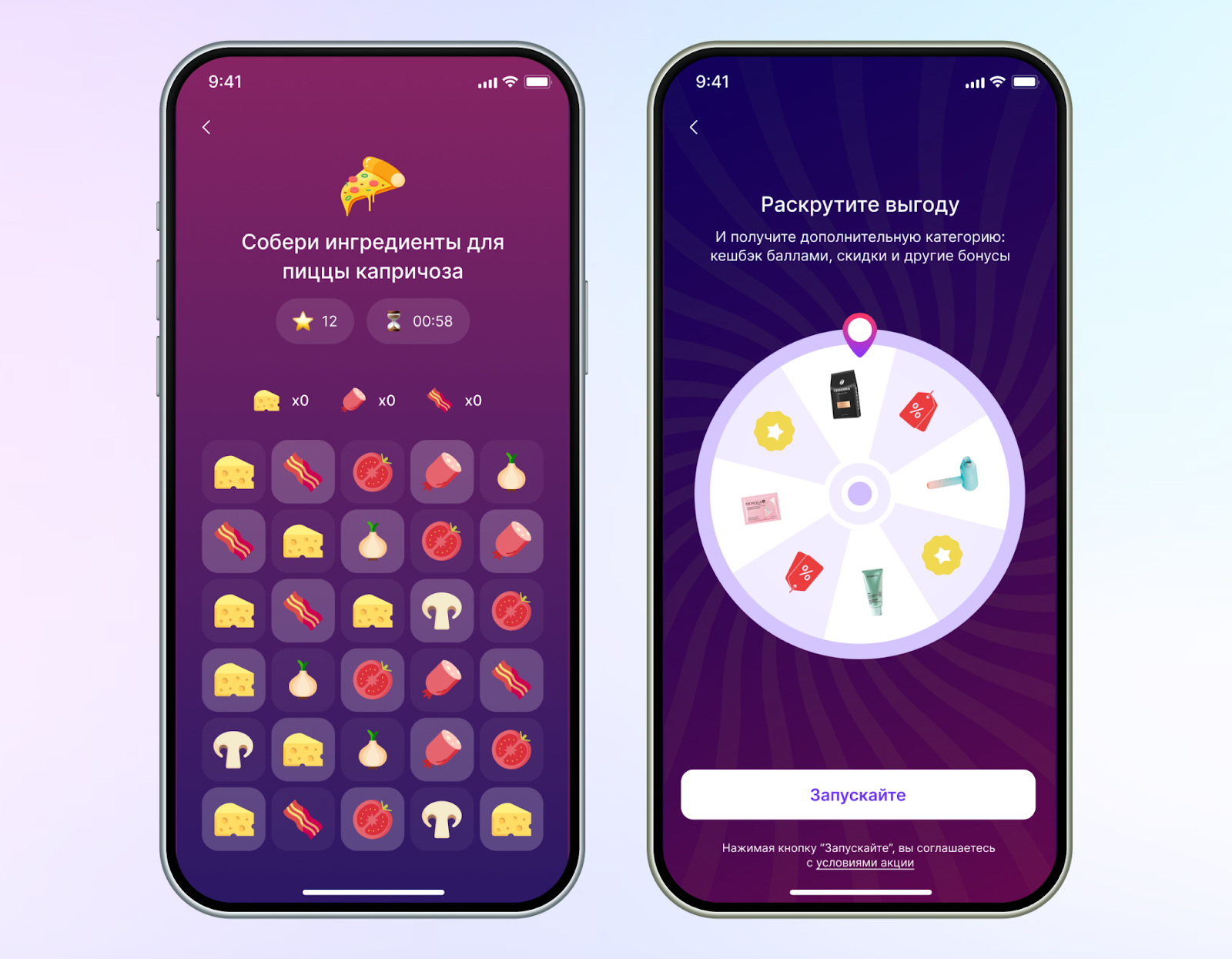
People love winning. And even more than that — feeling they got something exclusive.
📌 How it works
- The user plays a game to win a reward, a discount or free delivery.
- Add a constraint: “available once a day”.
- Raise the perceived value of the prize — “today only, and only for you”.
🔥 How it drives growth
✅ Pulls users into the game — they come back again.
✅ Increases conversion to purchase — the discount has to be used right now.
✅ Builds an emotional attachment to the brand.
💡 Example
🔹 “Spin the wheel — win 5% to 50% off” → the person opens the app, makes a purchase and waits for the next spin.
4. Quests and missions: users who hit your KPIs for you
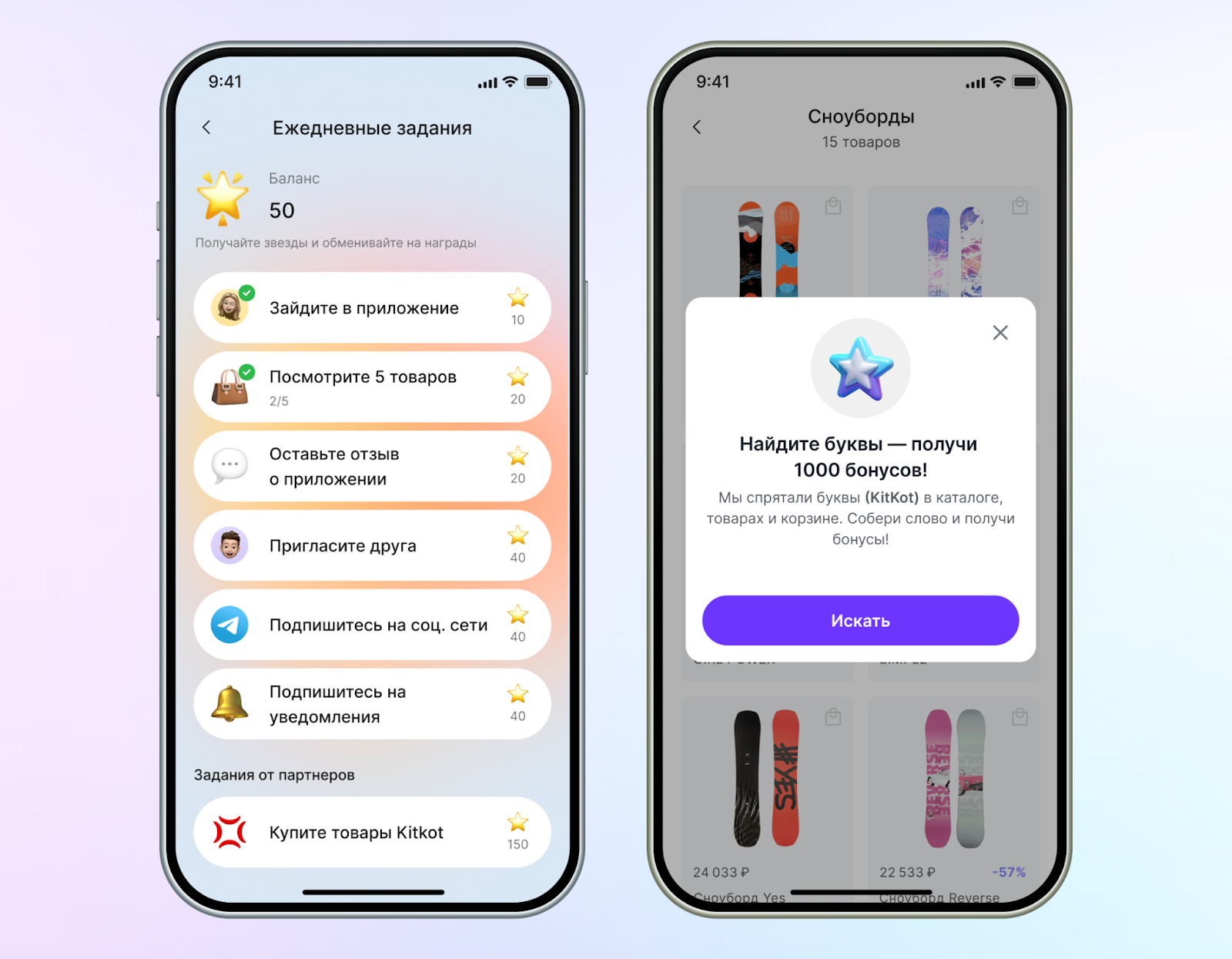
Making someone do something is hard. Motivating them to play is easy.
📌 How it works
- Give the user a series of missions: “View 3 products → get a bonus”.
- They complete them for the reward.
- You build the habit of coming back to the app.
🔥 How it drives growth
✅ Improves retention — the user returns again and again.
✅ Increases the number of purchases — every step motivates the next action.
✅ Creates a competitive effect once you add levels and achievements.
💡 Example
🔹 “Make 3 purchases this week — get 500 loyalty points”.
5. Recommendation widgets: more sales without the hard sell
Are you showing adverts, or giving the user what they already want?
📌 How it works
- Personal recommendation widgets built into the app.
- They take account of purchases, product views and interests.
- They suggest products natively — without the feeling of being sold to.
🔥 How it drives growth
✅ Increases average order value — the user sees relevant products.
✅ Reduces churn — the content adapts to each person.
✅ Makes the UX easier — nobody has to search manually.
💡 Example
🔹 “You may also like” → personal picks based on browsing history.
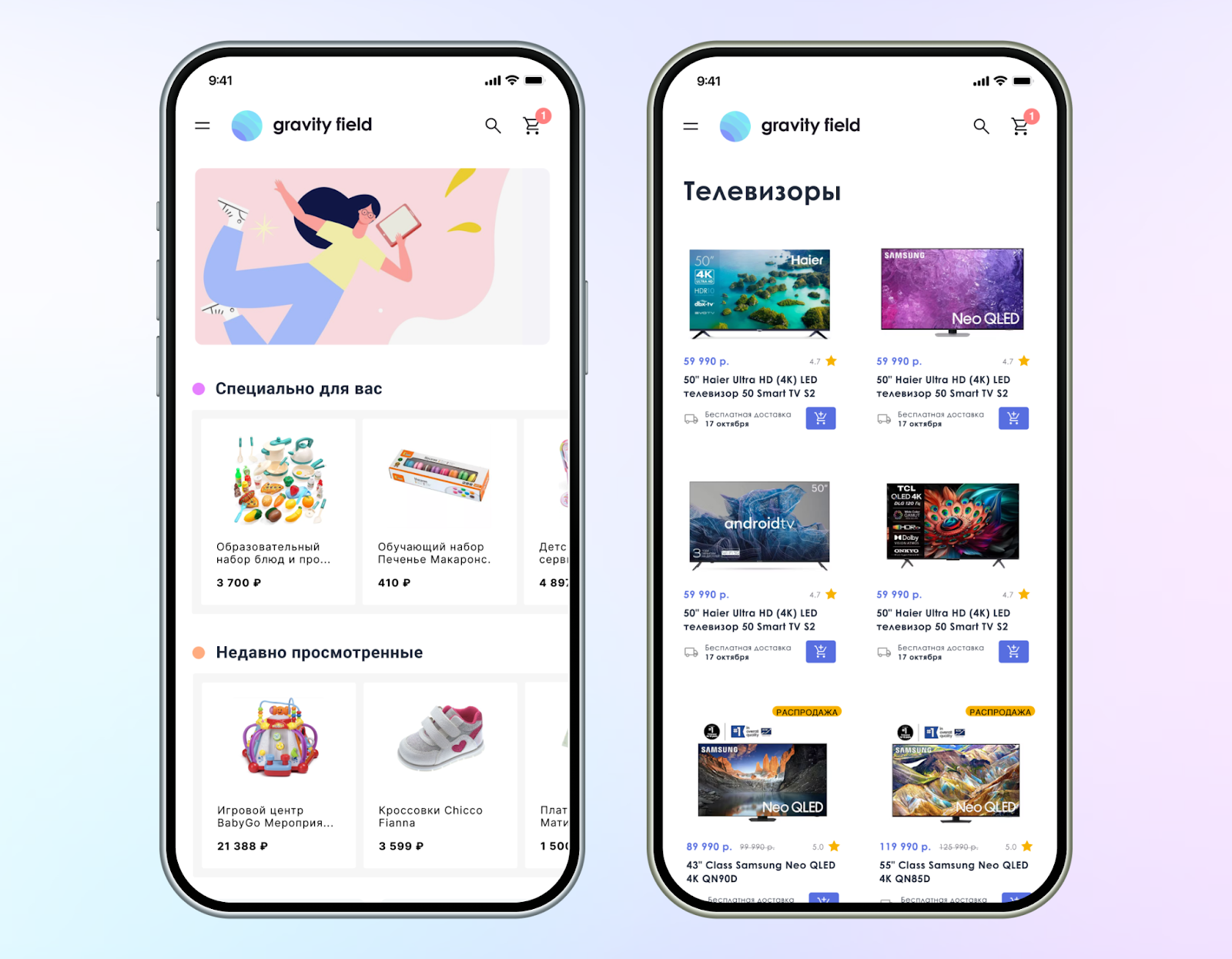
6. Personal promos: discounts that don’t burn margin
The secret: promotions only work when they are personalised.
📌 How it works
- Instead of blanket campaigns, give the discount to people who are genuinely interested in it.
- Motivate with a good offer, not with a price cut.
🔥 How it drives growth
✅ Retains users without endless price dumping.
✅ Raises conversion, because the offer is relevant.
✅ Creates a sense of exclusivity.
💡 Example
🔹 “15% off your favourite brand, just for you”.
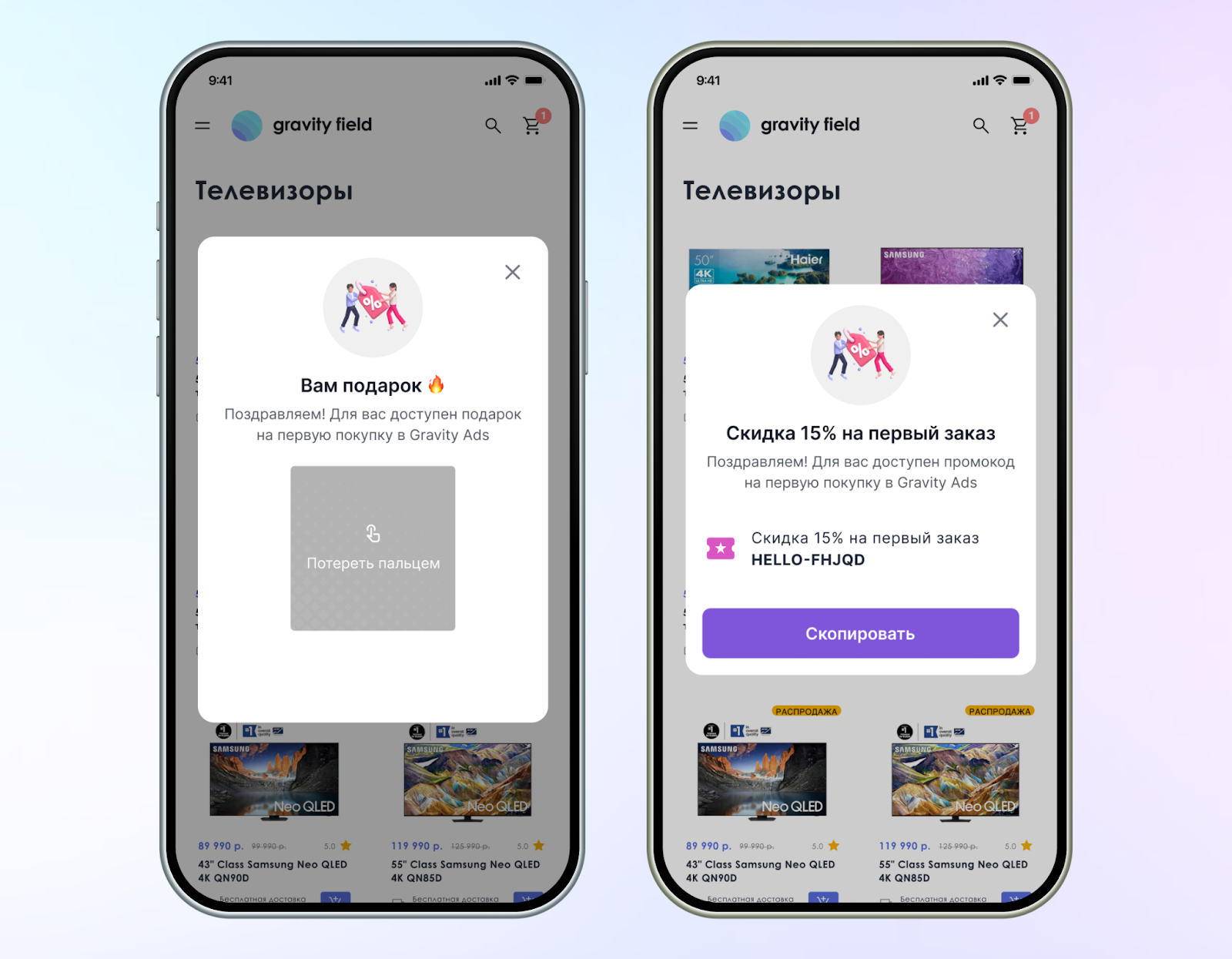
7. Banners and stories: hold attention without the irritation
📌 How it works
- In-feed banners → native promotion of campaigns.
- In-app stories → a fast way to browse new collections.
🔥 How it drives growth
✅ Captures attention without aggressive pushing.
✅ Works on engagement.
✅ Fits natively into the user experience.
💡 Example
🔹 Animated stories about new arrivals.
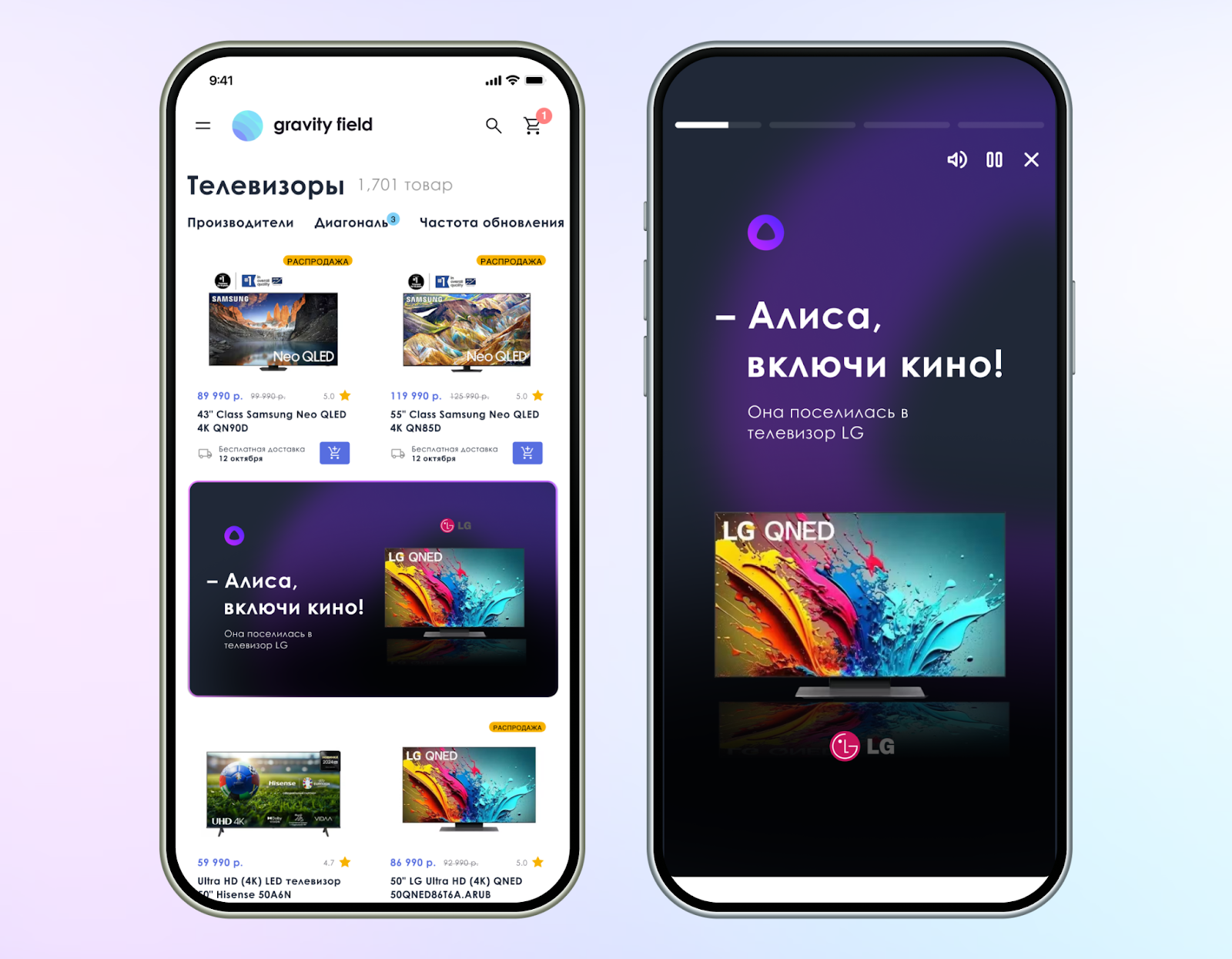
8. Onboarding: your one chance not to lose the user
📌 How it works
- Show the app’s key features in the first few seconds.
- Motivate the user to enable push and take a first action.
🔥 How it drives growth
✅ Reduces churn.
✅ Raises the odds of a first purchase.
💡 Example
🔹 A push opt-in prompt: “Stay on top of deals and deliveries”.
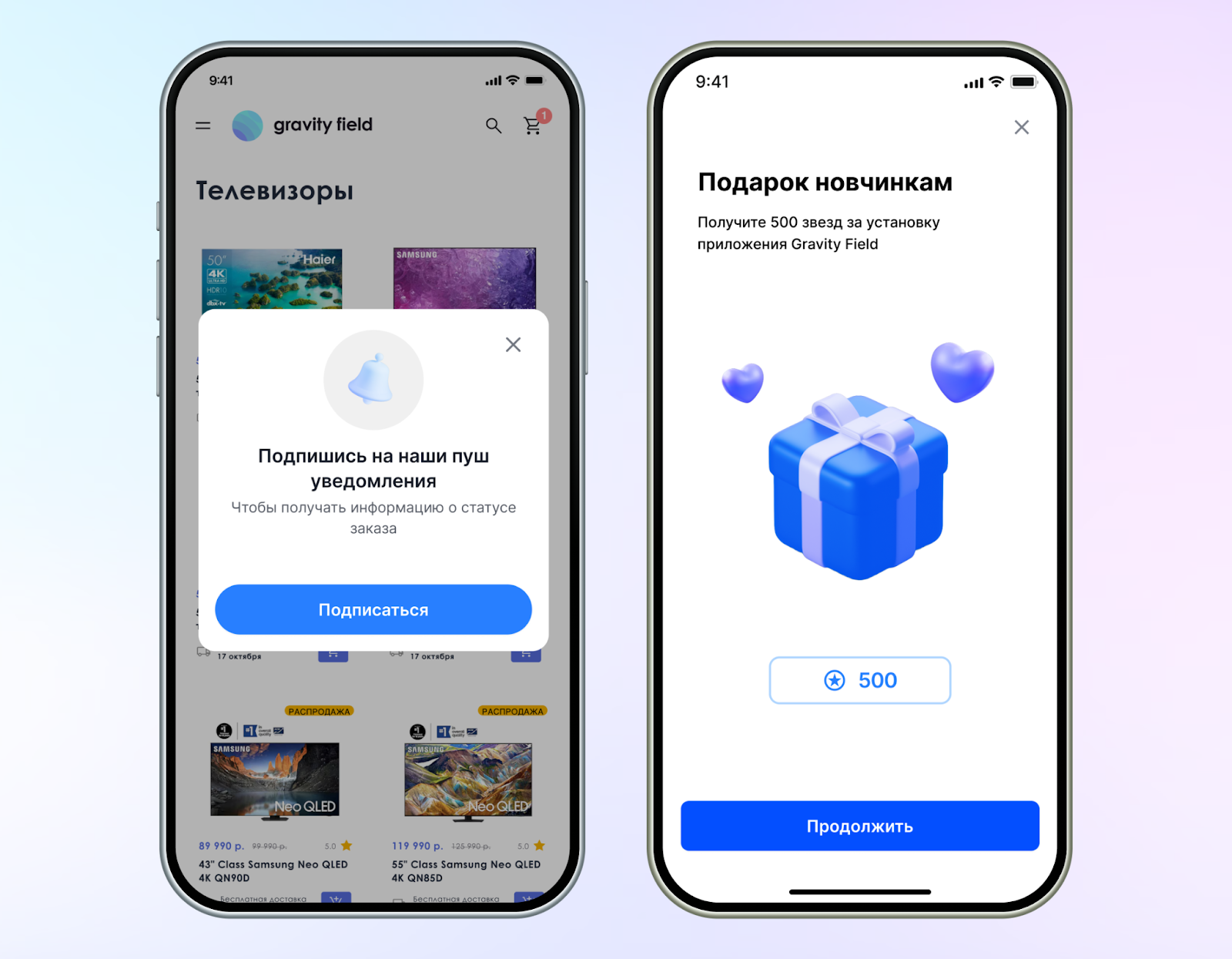
Which mechanics fit your app? 🚀Use them to grow without discounts — and without giving away your profit.


